
Hey thoughtful people 💛
This week’s note brings:
- a reminder about tomorrow’s workshop
- a heads up about next week’s event
- one career question worth sitting with: code switching in cover letters
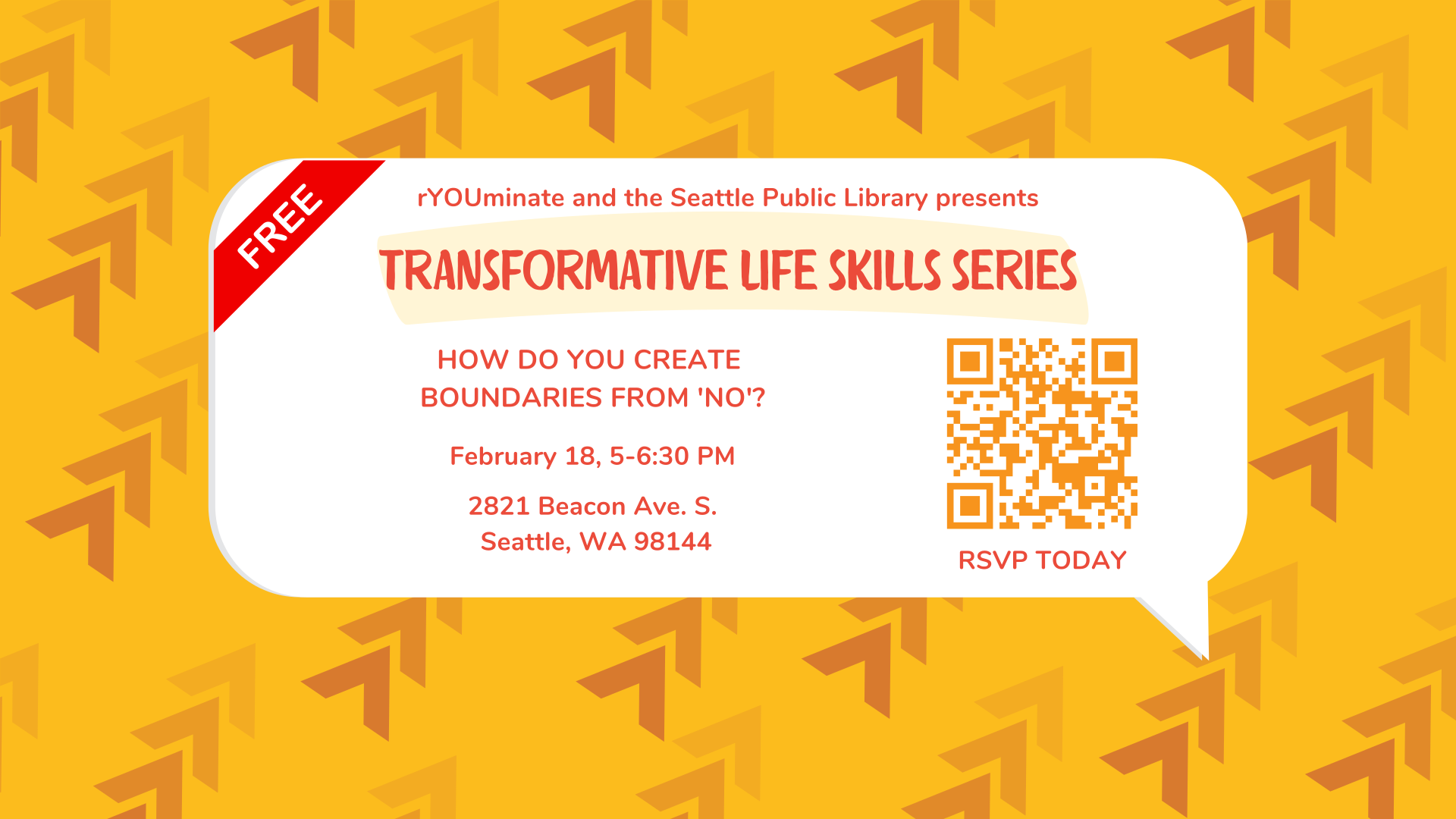
Tomorrow: Boundaries in Relationships (2/18)
Valentine’s season tends to spotlight romance.
We’re widening the lens.
Tomorrow’s workshop is about boundaries that last beyond February. The kind that protect your energy in friendships, family, dating, and even work.
We’ll explore:
- what makes saying “no” feel hard
- how guilt shows up in boundary-setting
- how to create boundaries that are firm and kind
If your calendar feels crowded but your needs feel secondary, this one is for you.
Free and in partnership with Seattle Public Library's Beacon Hill Branch. Designed by 18 to 30-year-olds for 18 to 30-year-olds.

Next Week: Relationship Audit Workshop (2/27)
Setting boundaries is one skill.
Knowing where to set them is another.
Next week, we’ll do a full Relationship Audit together. You’ll map:
- who tends to you
- who drains you
- where reciprocity is missing
- what one next step could look like
Sometimes work feels heavier because your relationships are taking up more energy than you realize. This workshop helps you name that with clarity, without spiraling into guilt.
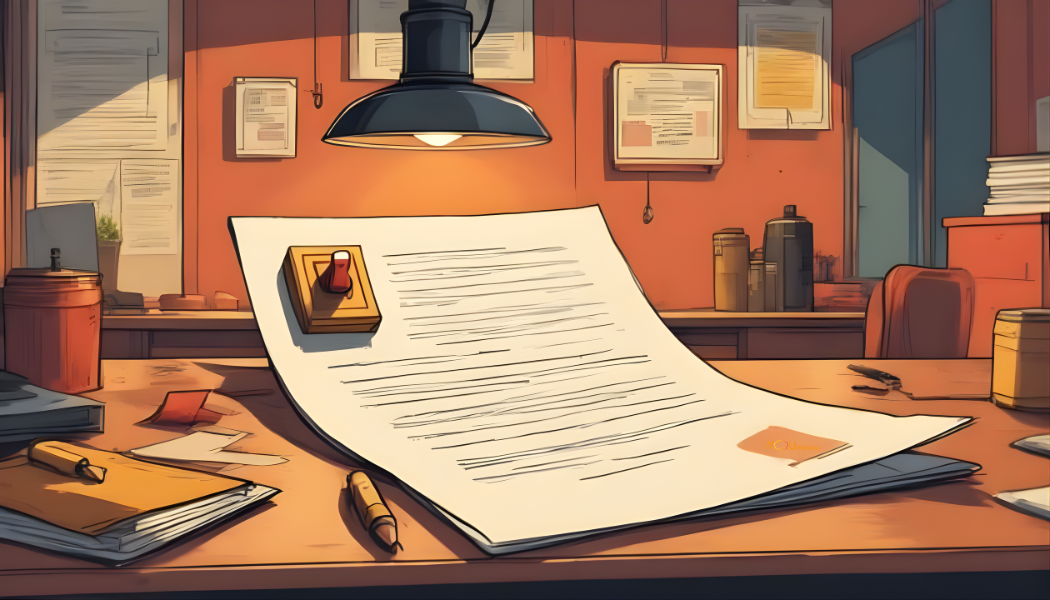
Post of the Week: Do you code switch in your cover letters?
If you’ve ever stared at a blank document thinking, “How do I sound professional without sounding like a stranger,” you’re not alone.
This week’s article explores the intersection of cover letters and code switching, and why this isn’t just about buzzwords. It’s about who feels safe to sound like themselves on paper, and who’s been taught to translate their voice to get a fair shot.
Inside, we break down:
- what a cover letter is actually for (resume = receipts, cover letter = narrative)
- what code switching can look like in job searching
- how Gen Z navigates voice differently, especially if you’re first-gen, BIPOC, immigrant, queer, neurodivergent, or from a working-class background
- a simple framework to help you choose your voice on purpose: Clarify → Choose → Align
Read or watch here:
 Montana Houston
A reflection because you’re reading this here:
See you soon,
Kindly,
Montana 💭